Where storm water gets in
- Door thresholds and garage slabs on low lots near the creeks
- Weep holes and gaps at the base of brick veneer
- Window wells, patio doors and sunken rooms
- Overloaded gutters that dump water against the foundation
A North Texas cloudburst can put inches of rain on Carrollton in an hour, and low streets near the creeks take it first. Outside water is Category 3, and the mitigation team treats it that way.
(888) 527-9134Storm water inside? Carrollton flood cleanup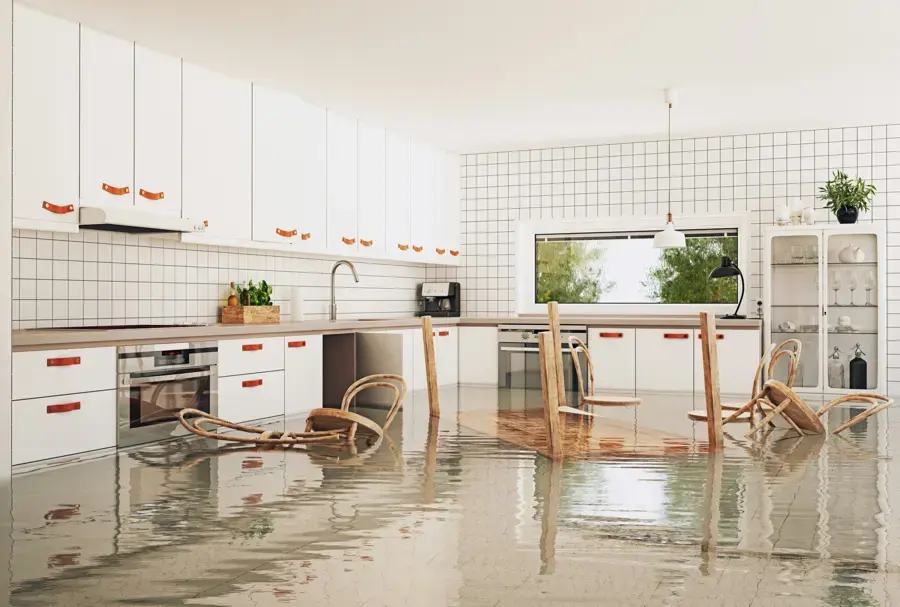
Keep out of the water until the power to wet areas is off and water has stopped rising.
Treat flood water as contaminated; wear boots and gloves if you must enter.
Photograph water lines on walls and damaged contents before cleanup.
Call for Category 3 extraction, removal and drying as soon as it is safe.
Carrollton water damage pros work day and night and roll with truck-mounted extraction, air movers and moisture meters on board.
IICRC S500 is the industry drying standard. The drying team runs structural drying, not just surface drying, and equipment stays until the readings say dry.
A moisture map from day one, daily psychrometric logs and timestamped photos before any demolition: the file an adjuster works from.
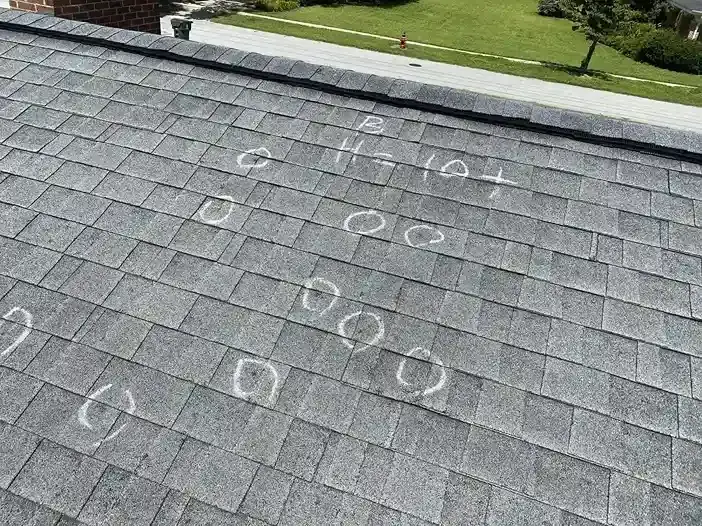
Slab leaks in shifting clay, hail-opened roofs and attic AC drains are everyday calls here, so the crew knows where water hides in a North Texas house.
In Carrollton, TX, flash flood and storm water cleanup typically runs $2,500 to $12,000 or more. Because outside water is Category 3, the drivers are square footage, how high the water rose on the walls, the material class and how fast cleanup and drying started.
These are typical ranges, not a quote. For a closer planning number try the water damage cost calculator.
The response team rolls 24/7. The tech who does the walkthrough finds the source and maps moisture with thermal imaging and pinless meters before any flash flood and storm water cleanup equipment goes down.
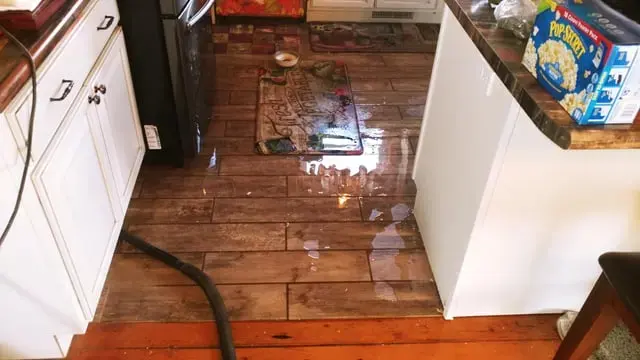
The extraction crew pulls standing water with truck-mounted extraction so it leaves the building instead of moving to the next room.
Air movers set to each room's evaporation load and LGR dehumidifiers pull the moisture out of framing, drywall and slab.
Readings are logged daily. Equipment comes out when wet materials sit within 2 to 4 points of a dry reference, and the logs go in the claim file.
Carrollton drains to the Elm Fork of the Trinity River through Indian Creek, Furneaux Creek, Hutton Branch and a web of storm drains. In a slow rain that works. In a spring cloudburst, water backs up at culverts and crossings, low streets fill, and water pushes under doors and through weep holes into slab homes and businesses.
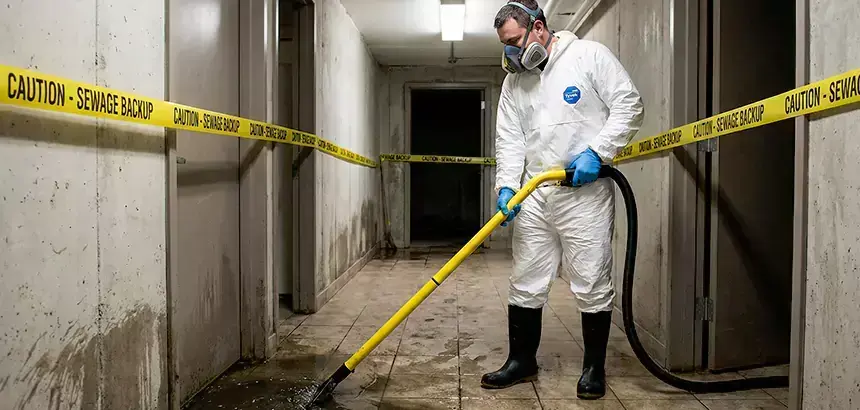
Flood water picks up soil, lawn chemicals, fuel and sewage on its way in. Under the IICRC S500 standard it is Category 3 the moment it enters. Porous materials it touched, such as carpet, pad, the bottom of drywall and insulation, get removed, not dried, and the structure is cleaned and treated before drying starts.
Never walk or drive through moving flood water. Six inches of moving water can knock an adult down. Wait until water recedes and power is off before going in.
Rising surface water is usually handled under flood coverage, which is separate from a standard homeowners policy; FloodSmart.gov explains how flood insurance works. The National Weather Service Fort Worth office issues flash flood warnings for Carrollton. For sewage coming up through drains, see sewage cleanup.
The Carrollton restoration crew works every part of the city across ZIPs 75006, 75007, 75010, 75011, from Old Downtown Carrollton, Josey Ranch, Indian Creek, Country Place, Trinity Mills, Hebron out to Farmers Branch, Addison, Coppell, Lewisville, The Colony, Plano and Far North Dallas.
See every area and ZIP coveredNot usually. Outside flood water is Category 3, and carpet and pad it soaked are removed rather than dried, because they cannot be reliably cleaned.
Drywall is usually cut a set distance above the highest water line or the highest wet reading, whichever is higher, so all contaminated and wet material comes out.
Rising surface water is usually a flood coverage matter, separate from a standard homeowners policy. Coverage depends on your policies, so it is worth checking with your own insurer.
Low streets and lots near Indian Creek, Furneaux Creek, Hutton Branch and the Elm Fork of the Trinity River take water first in heavy rain, along with homes with low thresholds or sunken rooms.
After removal and cleaning, most slab homes dry in three to five days. Deeper water, plaster or cabinets add time, and readings decide when equipment leaves.
A cleaning product registered with the EPA for use on the surfaces it is applied to. It is applied after extraction and removal, at the label's dwell time, before drying.
Shut off the water if you can, keep clear of wet outlets, and call. The drying team maps the moisture and gets extraction started.