The science in plain terms
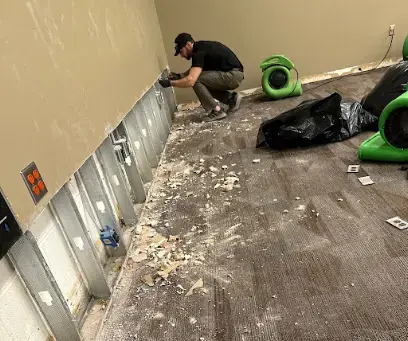
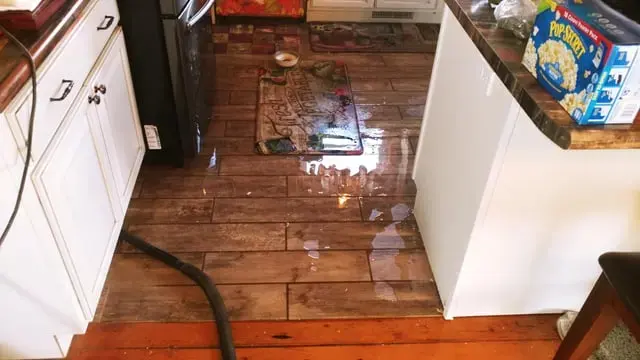
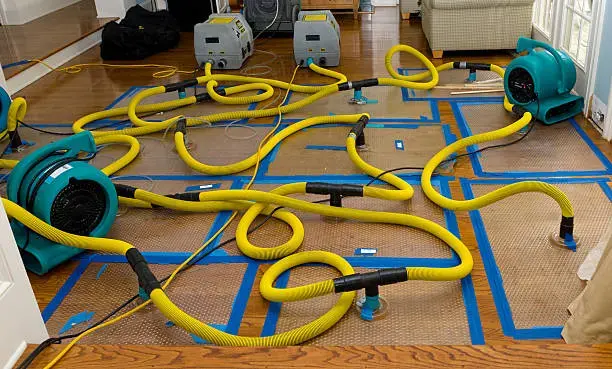
Drying is evaporation plus removal. Air movers speed up evaporation from wet surfaces, and dehumidifiers take that moisture out of the air before it soaks back in. Getting the balance right is what the IICRC S500 standard is about.
- Class 1 to 4 describes how much water and how hard the materials are to dry, and sets how much equipment a room needs.
- LGR dehumidifiers pull water from air even as the room dries; desiccants handle Class 4 materials like hardwood and plaster.
- Psychrometric readings of temperature and humidity show whether the room is drying or just sitting.
What dry means
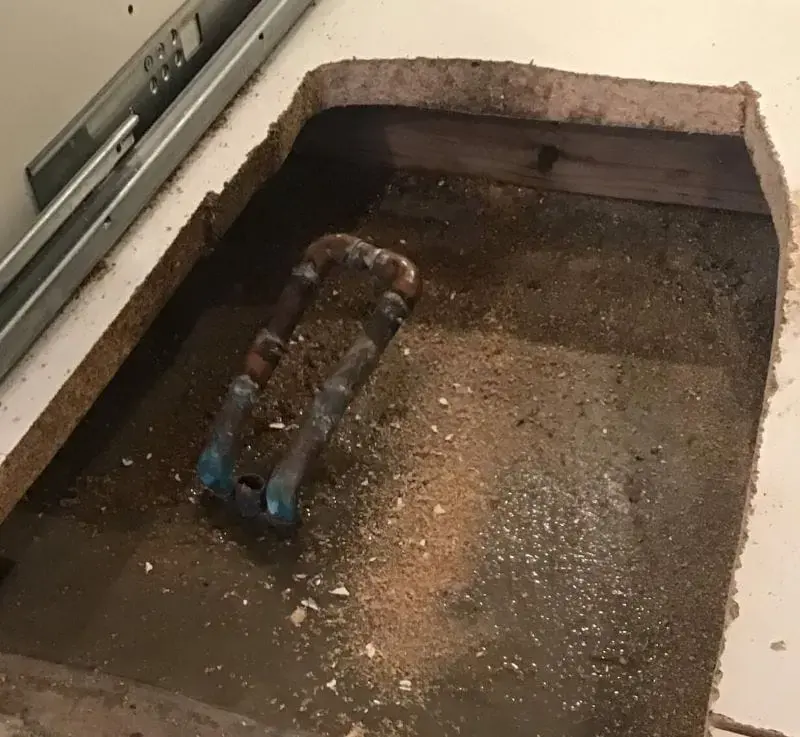
Dry is a number, not a look. The drying goal is a reading within 2 to 4 points of a dry reference material of the same type in an unaffected part of the building. When the wet areas match it, the drying logs go into the claim file and rebuild can start. The water extraction page covers the step that comes first.
Box fans are not structural drying. They move surface air but do not pull water from wall cavities or the slab, and without dehumidification they can push humidity into dry rooms.
More about moisture
The EPA indoor air quality pages explain why prompt drying matters indoors, and Ready.gov covers returning home after water damage. Use the drying-time estimator for a rough timeline.